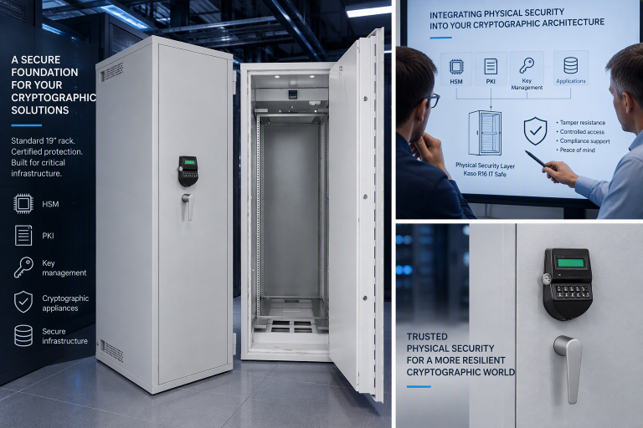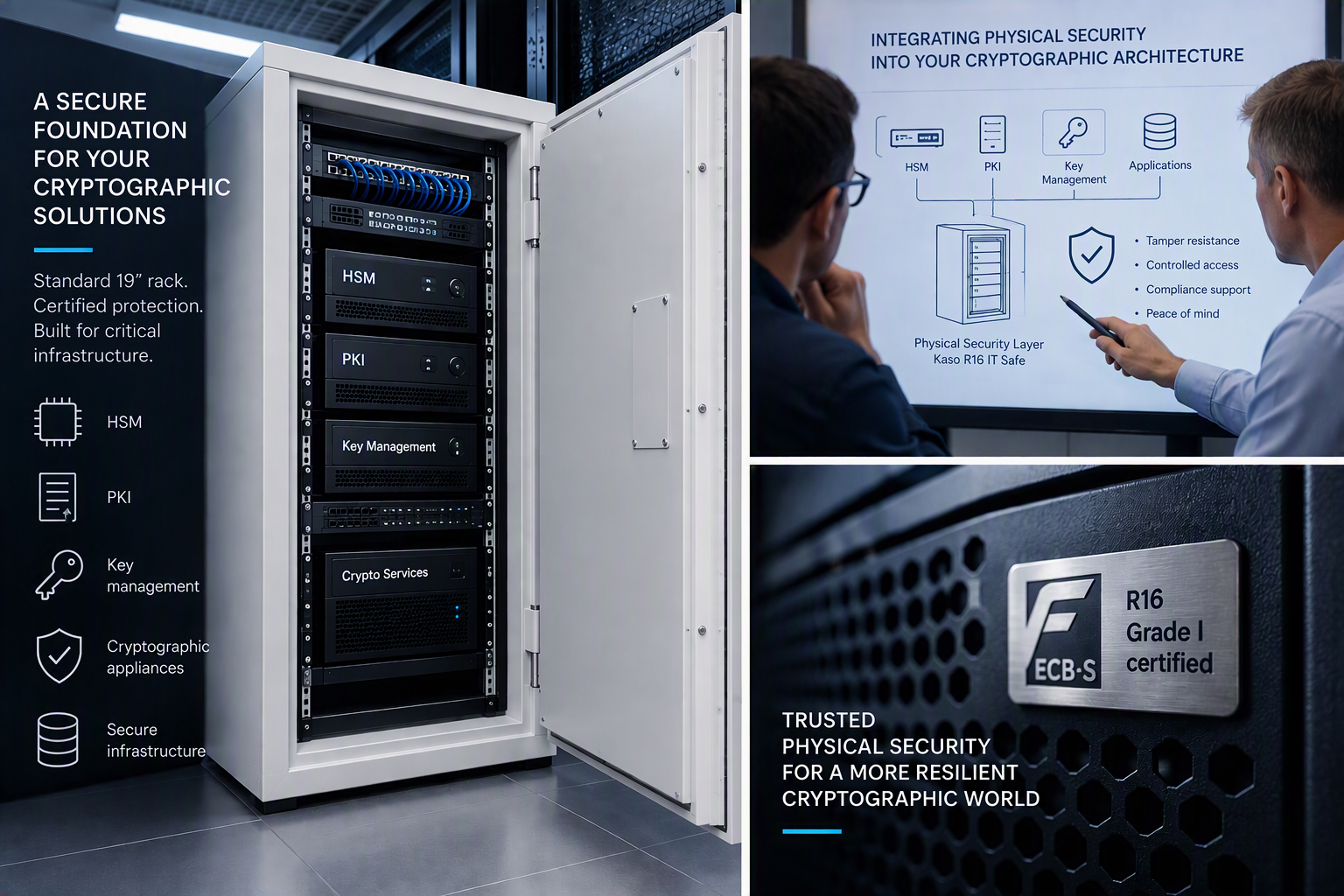
In an era dominated by cloud security and encryption, the physical vulnerability of a rack server is often the “elephant in the room.” While digital firewalls are essential, they cannot stop an unauthorized person from physically accessing your hardware, pulling a hard drive, or inserting a malicious USB device. To achieve comprehensive data protection, you must prioritize the security of your server cabinet rack.
Preventing physical breaches requires a combination of strict access protocols and high-quality hardware designed to resist forced entry.
Why Physical Security for Your Rack Server is Critical
Every rack server contains the intellectual property, financial records, and sensitive data that keep a business running. A physical breach is often more catastrophic than a remote hack because it can lead to the permanent loss of hardware or untraceable data tampering.
Most standard computer server rack solutions are designed for organizational purposes, not for defense. If your server room is accessed, a basic cabinet door can be bypassed with simple tools in less than a minute. This is why the structural integrity of your server cabinet rack is your final and most important line of defense.
Practical Tips for Securing Your Computer Server Rack
Implementing a “security-in-depth” strategy is the best way to protect your infrastructure. Here are three practical steps to enhance the safety of your hardware:
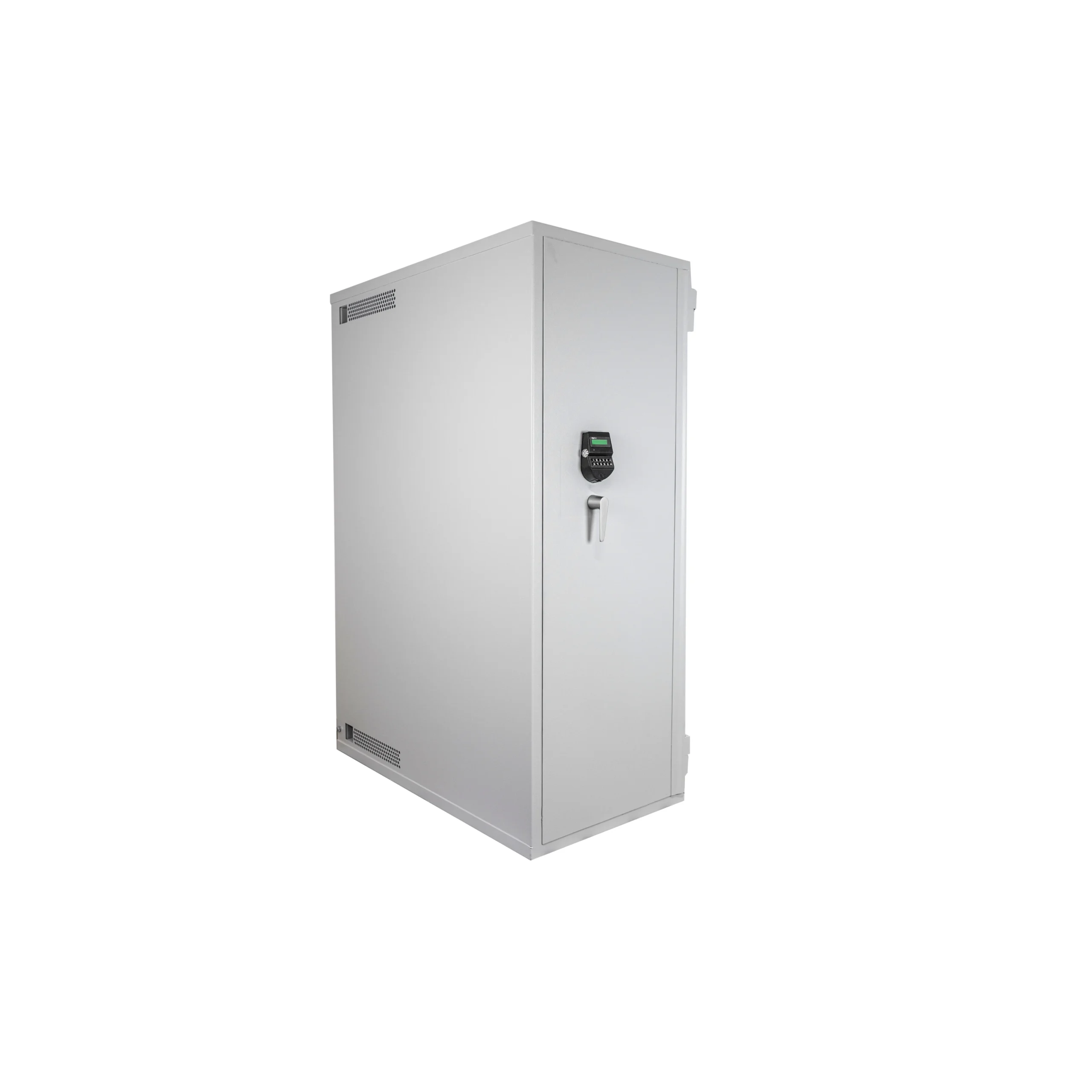
1. Upgrade to a Certified Server Cabinet Rack The most effective way to prevent a breach is to move away from standard enclosures. A certified R16 server cabinet rack is tested against professional burglary tools according to the ECB-S, R16 certification. Its reinforced walls and multi-point locking mechanisms provide the resistance needed to stop even determined intruders.
2. Implement Dual-Layer Access Control Don’t rely solely on the server room door. Use electronic or biometric locks directly on the computer server rack itself. This creates an audit trail, allowing you to see exactly who accessed a specific rack server and when.
3. Monitor for Physical Tampering Modern high-security cabinets can be equipped with vibration and door-opening sensors. If someone attempts to force open the server cabinet rack, an alarm can be triggered immediately, allowing security personnel to intervene before the rack server is compromised.
The Role of Cabinet Construction in Preventing Breach
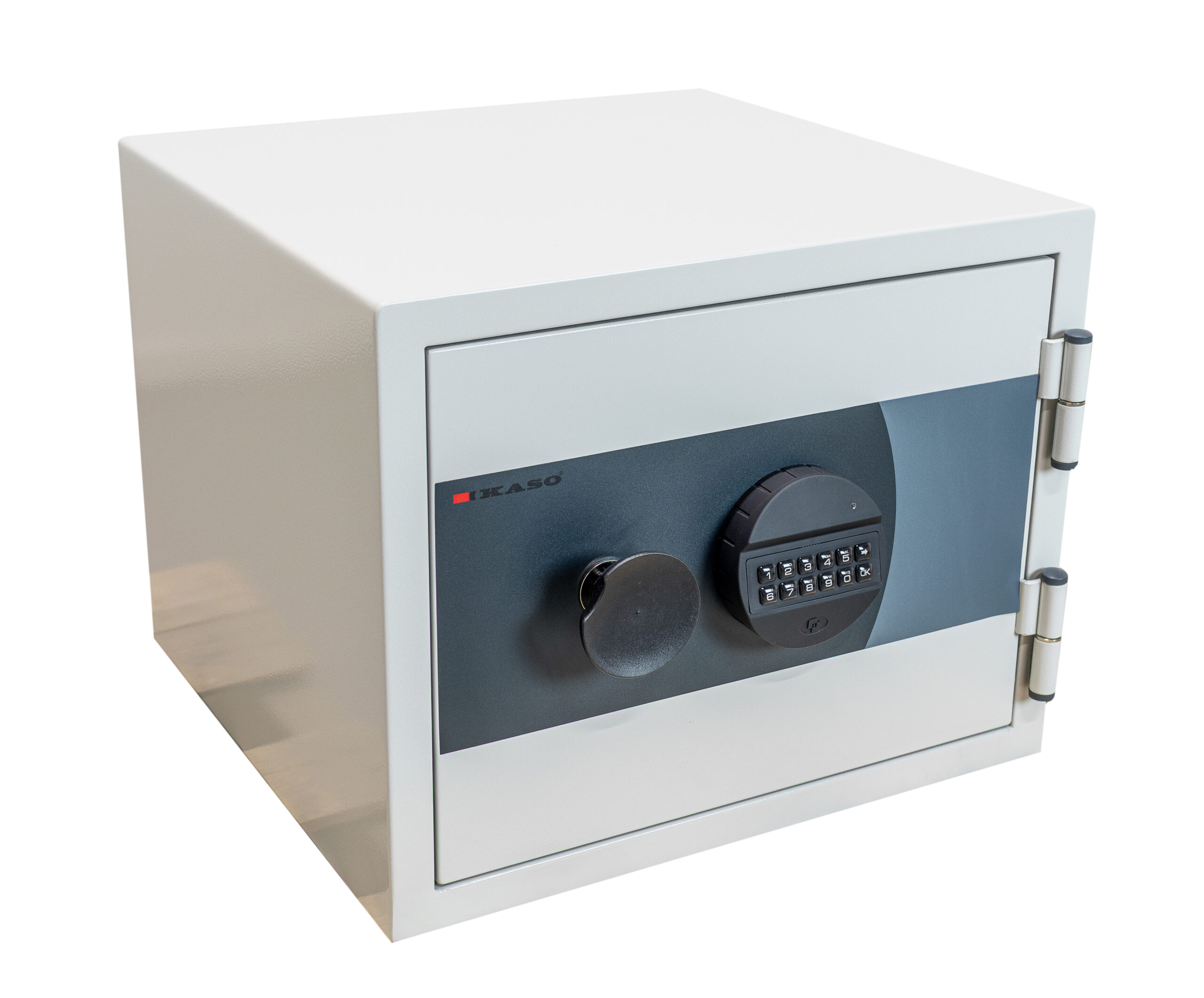
The difference between a generic computer server rack and a Kaso IT safe lies in the engineering. A Kaso safe is built with specialized barrier materials that are significantly harder to penetrate than standard sheet metal.
When your rack server is housed in a Kaso R16 unit, you are not just buying a box; you are investing in a tested physical barrier. The locking system is designed to stay secure even if the hinges are attacked, ensuring that the server cabinet rack remains a fortress for your data.
Conclusion: Strengthening Your Final Defense Line
Cybersecurity starts at the physical level. If your rack server is not physically secure, your entire network is at risk. By prioritizing the quality and certification of your server cabinet rack, you demonstrate a commitment to total data integrity.
Don’t wait for a security audit to find a weakness in your server room. Upgrade your physical defense today. Explore the Kaso R16 series and discover how our computer server rack solutions provide the ultimate protection against physical breaches.