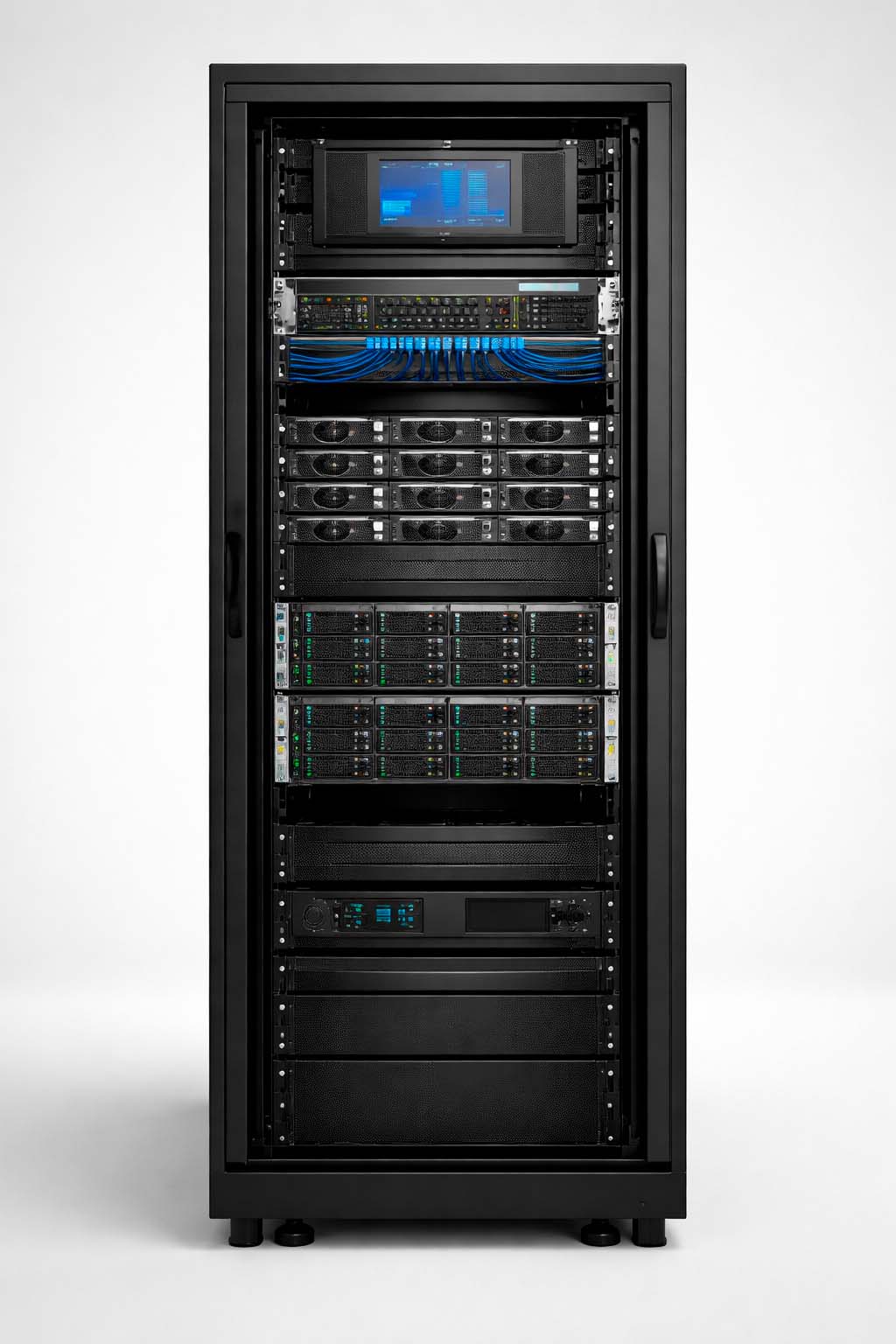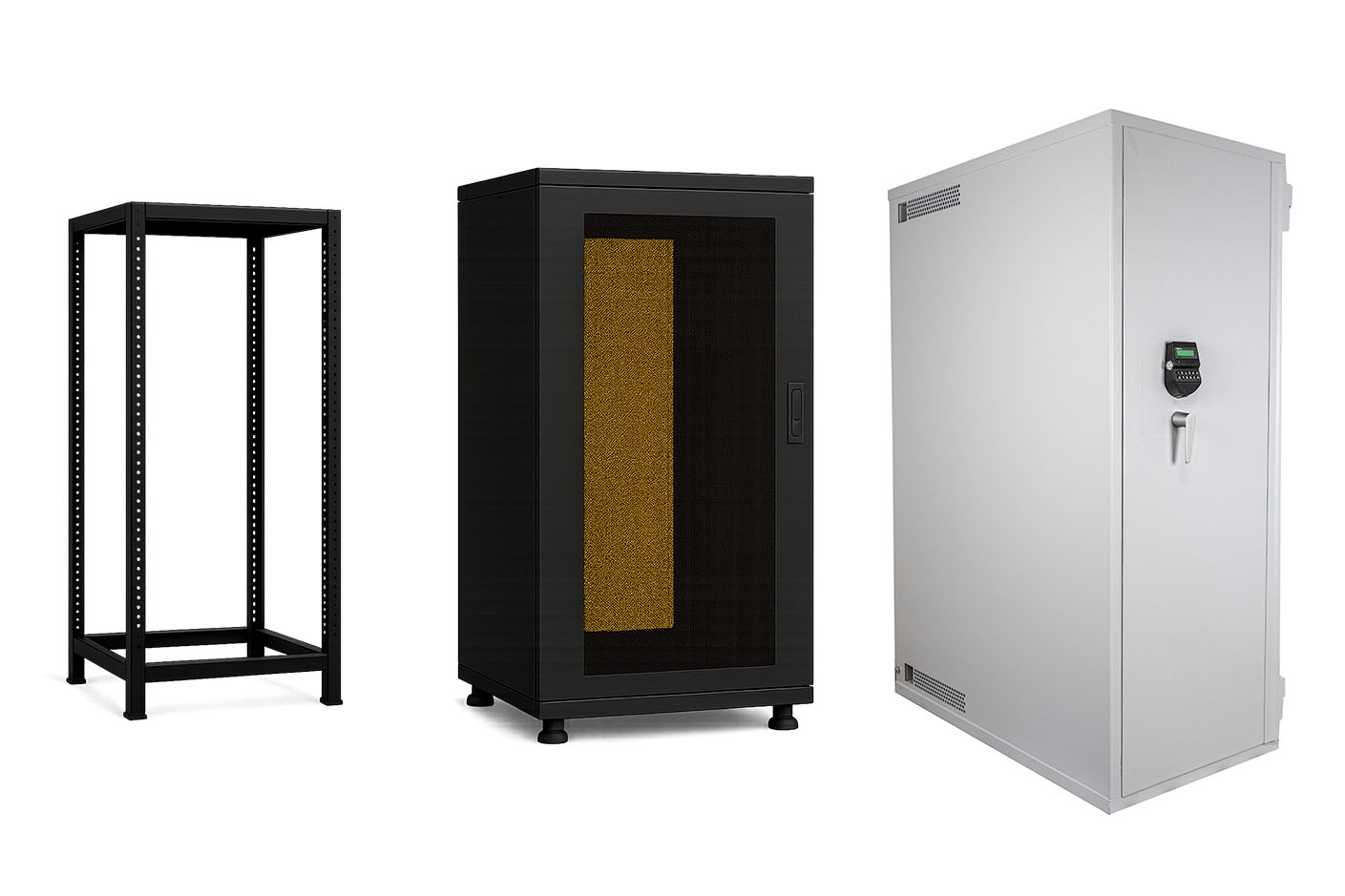
The history of the computer server rack is a reflection of the digital revolution itself. In the early days of computing, racks were simple open-frame metal stands designed primarily for airflow and organization. However, as data became the lifeblood of modern business, the role of the server rack shifted from basic storage to a critical component of a comprehensive cybersecurity strategy.
Today, protecting a rack server is no longer just about preventing overheating—it is about creating a physical fortress against increasingly sophisticated threats.
From Open Frames to High-Security Enclosures
Decades ago, a computer server rack was often found in an open room with minimal access control. As hardware became more compact and powerful, the need for standardized mounting led to the 19-inch standard we use today. But while the dimensions stayed the same, the environment changed.
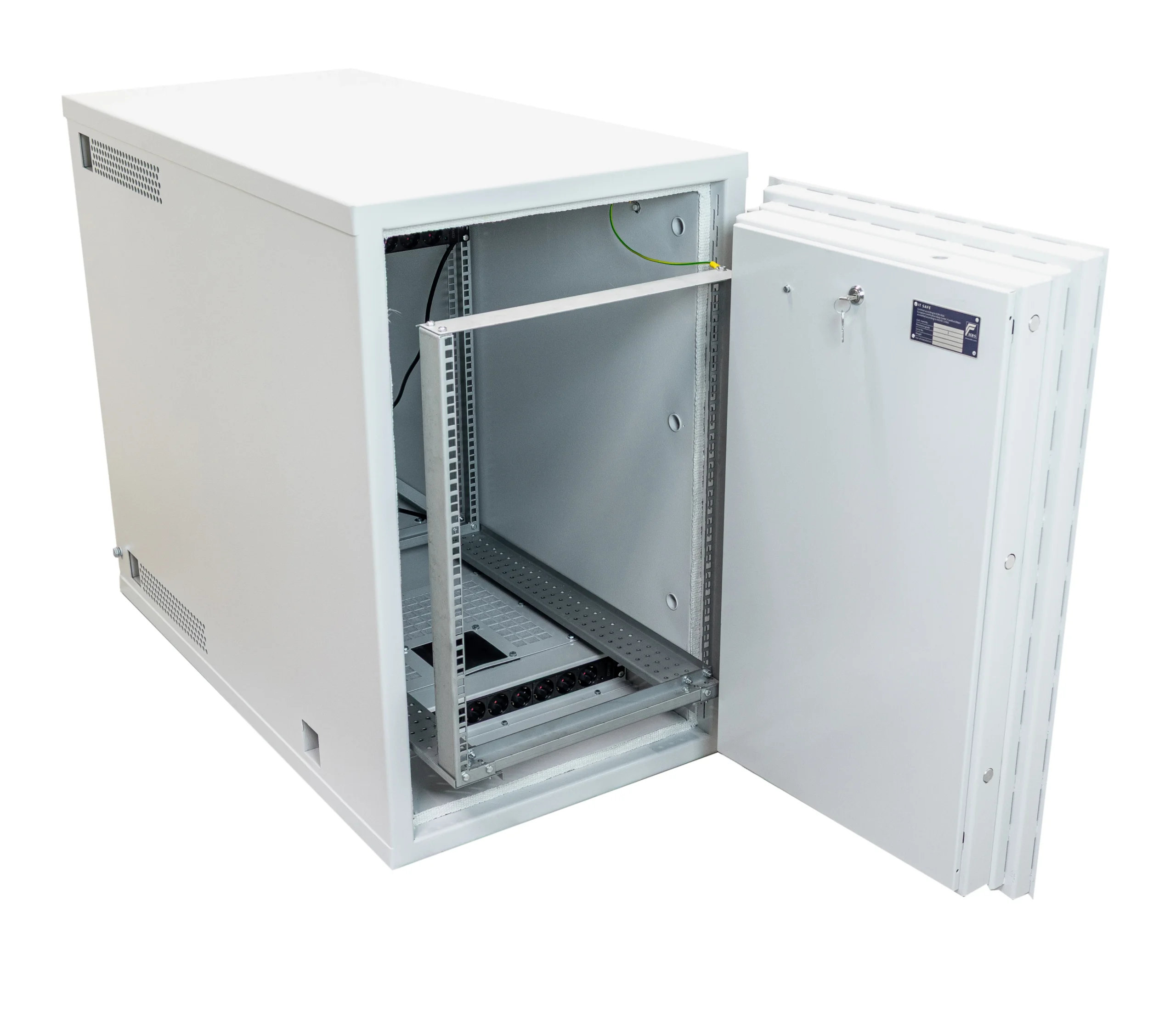
The rise of industrial espionage and physical data breaches forced the evolution of the server rack. Modern businesses realized that a firewall cannot stop someone from manually pulling a hard drive or tampering with a rack server. This realization birthed the high-security IT safe, a specialized evolution of the traditional cabinet.
Why the Modern Server Rack is a Security Asset
In a contemporary data center, the computer server rack acts as the last line of defense. When integrated with burglary protection, it fills the gap that digital security measures cannot cover.
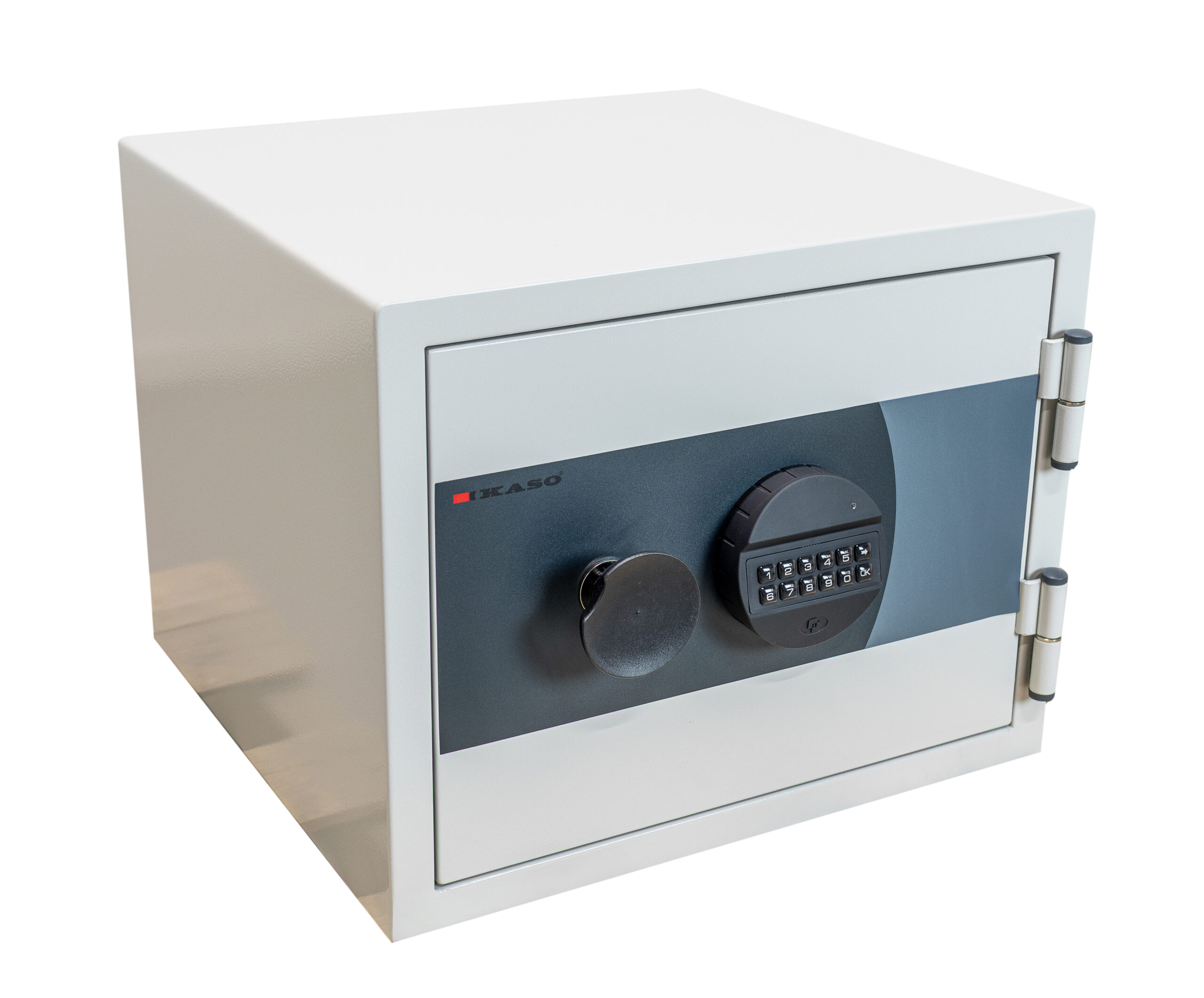
- Physical Access Control: Modern units feature biometric locks and electronic monitoring to track every time a server rack door is opened.
- Tamper Resistance: Reinforced materials ensure that a rack server cannot be accessed without specialized heavy-duty tools.
- Environmental Integrity: Advanced evolution has brought protection against fire, electromagnetic interference (EMI), and even explosions.
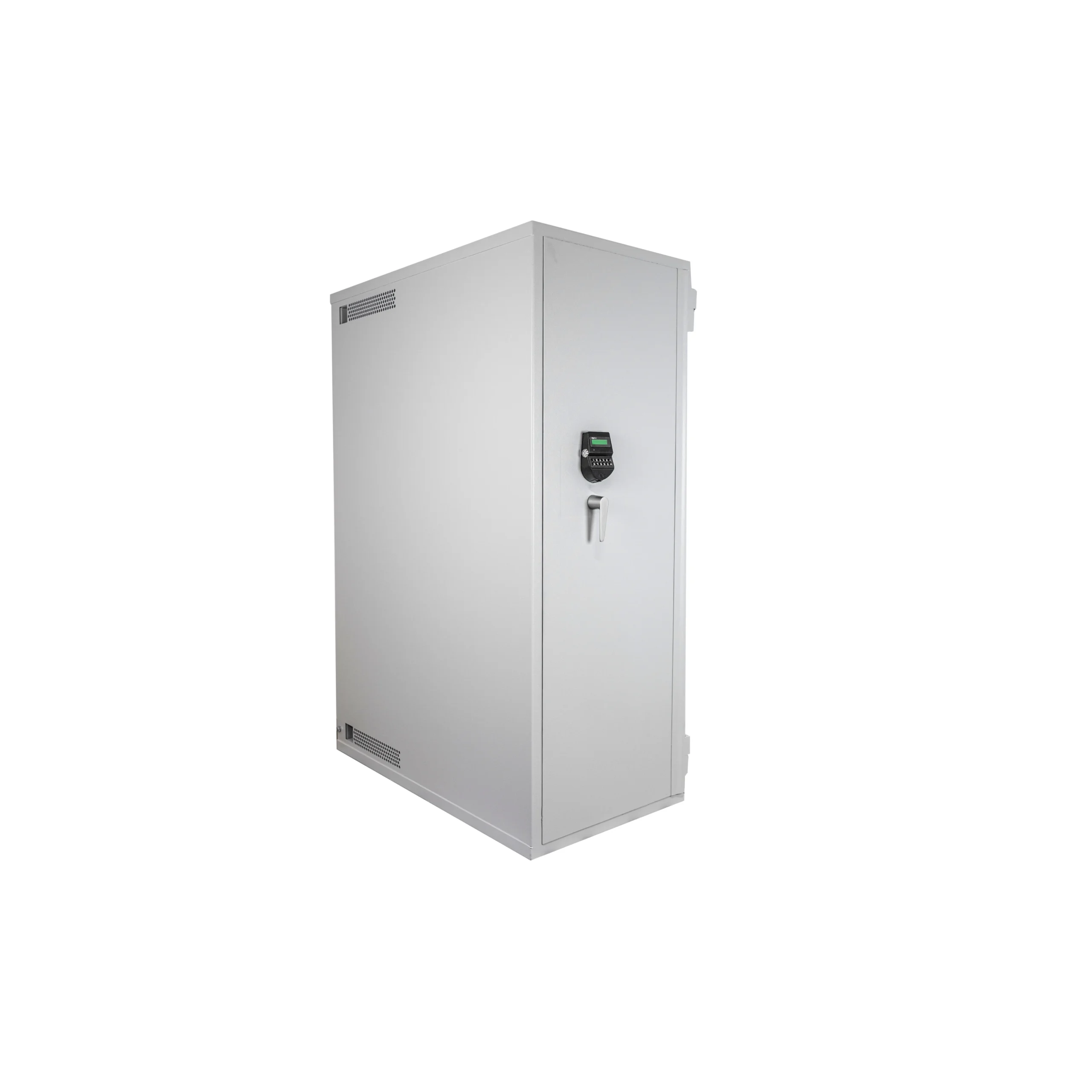
By utilizing a certified Kaso R16 server cabinet, organizations can ensure their hardware is protected by the most advanced stage of this evolution.
Integrating Physical Security into Your Cybersecurity Strategy
Many IT managers focus solely on software, but a truly resilient strategy treats the computer server rack as a security endpoint. If a rack server is physically vulnerable, the entire network is at risk.
The evolution of the server rack has led to international standards like ECB-S, R16 certification, which provides a verified resistance grade against physical attacks. Choosing a solution that meets these standards is now a requirement for industries like finance, healthcare, and government infrastructure.
The Future of the Rack Server Environment The next phase of evolution involves the integration of IoT sensors within the computer server rack. These sensors provide real-time data on vibration, heat, and humidity, ensuring that the server rack is not just a passive box, but an active participant in hardware health and security.
Conclusion: Embracing Modern Security Standards
The computer server rack has come a long way from being a simple metal shelf. It is now a sophisticated piece of security equipment designed to protect the world’s most sensitive data. As physical threats continue to evolve, so must your hardware protection.
Ensure your infrastructure is future-proof. Explore the latest in the evolution of high-security server racks and see how the Kaso R16 series can provide the ultimate defense for your rack server units.